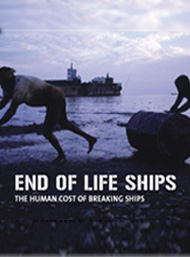
At least 15 workers died in 2012 on or around end-of-life ships that were beached in Bangladesh for breaking, according to the available information. Every year, shipbreaking workers in Chittagong, Bangladesh, honour the people who died while working on the dismantling of end-of-life ships by holding a candle ceremony attended by the workers, their families, trade unions and local NGOs. Read more...
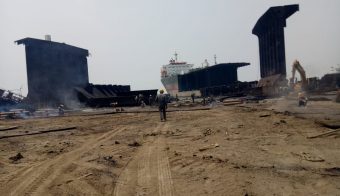
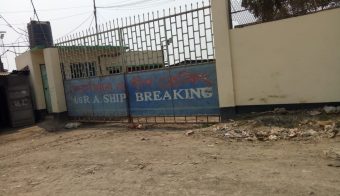
We all know how ships are born, how majestic vessels are nudged into the ocean with a bottle of champagne. But few of us know how they die. And hundreds of ships meet their death every year. From five-star ocean liners, to grubby freighters, literally dumped with all their steel, their asbestos, their toxins on the beaches of some the poorest countries in the world, countries like Bangladesh. You can't really believe how bad it is here, until you see it. It could be as close as you'll get to hell on earth, with the smoke, the fumes, and the heat.
Bob Simon, CBS News, on 60 Minutes

“NGOs and media have been campaigning for so many years on this shipbreaking issue and they’ve never urged an end to the industry. They simply urged for national and international labor and environmental laws to be respected and enforced. If somebody is saying that NGOs want to stop shipbreaking then we have to assume that the yard owners and international players of shipbreaking want to avoid the compliance issues by blaming NGOs." Read more on The Good Men Project.
15 workers were killed in 2012 Details...
90 workers died in last 7 years 9 months, more than one worker died on an average per month at the shipbreaking yards in Bangladesh. Details...

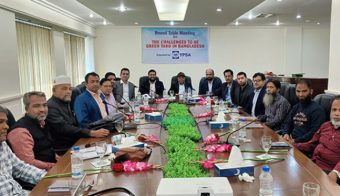
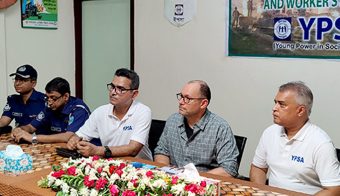
From 1997 YPSA tries to obtain improved working conditions at ship breaking yards of Chittagong, Bangladesh. YPSA organized social campaign program to raise the voice of the mass people about ensuring of the workers’ rights and save the environment and ecology from the pollution that generated from the unsafe and uncontrolled ship breaking practices. Read more